

Published 2026-06-08
Keywords
- Children’s Play,
- Children’s Reading,
- Learning through Play,
- Children’s Culture,
- Educational Toys
- Child Cognitive Development,
- Family and Child,
- Children’s Imagination,
- Children’s Creativity,
- Urban and Rural Children,
- Skills Development,
- Modern Education ...More
Abstract
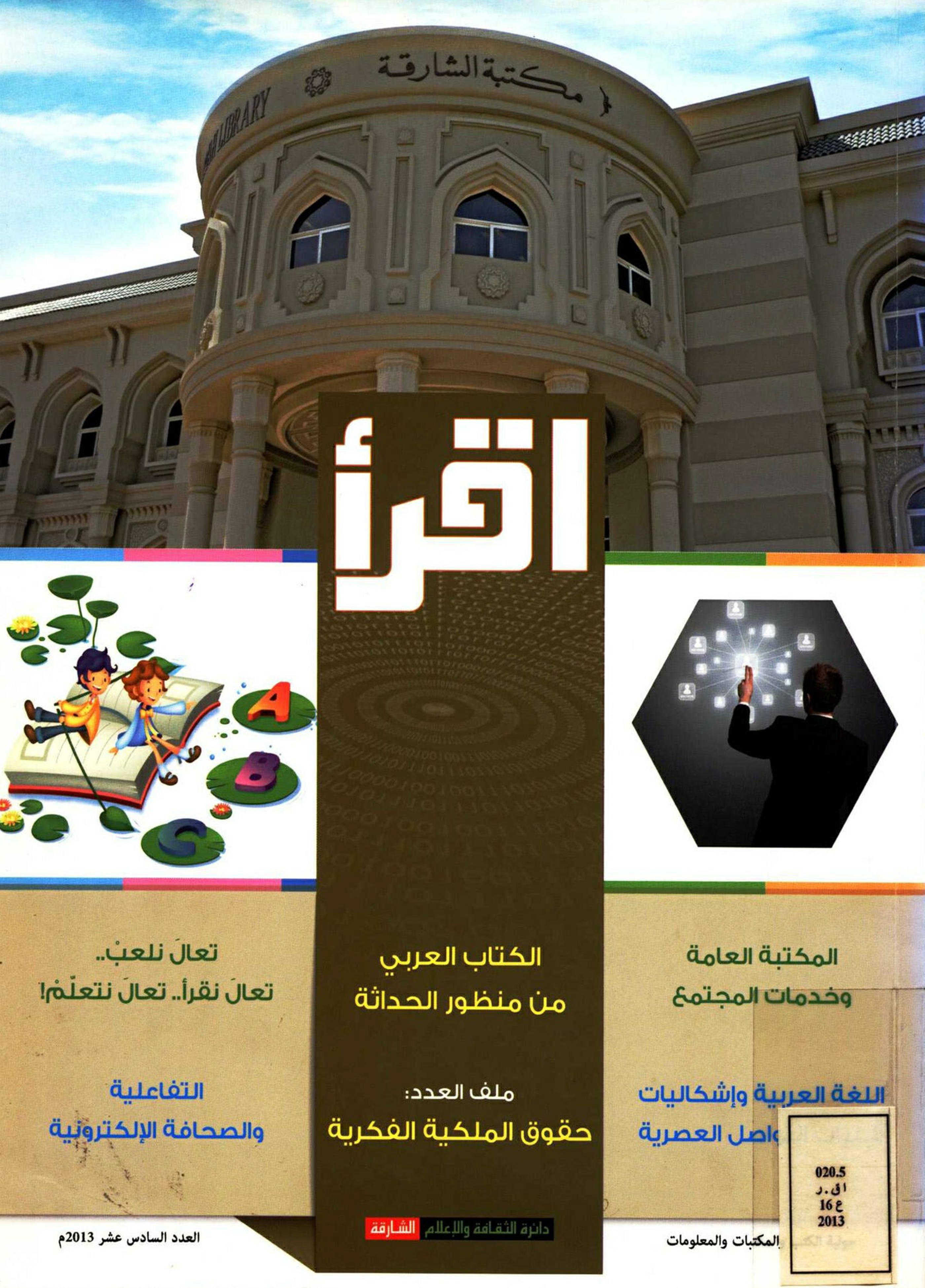
This article explores the importance of play in children’s lives as a natural gateway to reading, learning, self-discovery, and understanding the world. The author rejects the transformation of childhood into a rigid space deprived of wonder, calling instead for respect for children’s psychological and developmental needs and for giving them opportunities to learn through enjoyment, experimentation, and imagination. The article presents several theoretical perspectives on children’s play, emphasizing its role in cognitive, emotional, and social development. It then classifies toys and games according to their functions, including physical, educational, competitive, creative, and inventive forms of play. The article also discusses the role of parents in choosing toys appropriate to children’s age, taste, and abilities, warning against imposing adult preferences on children’s worlds. It contrasts the experience of rural children, who often enjoy open natural spaces and freedom of movement, with that of urban children, whose play is restricted by limited spaces and social constraints. The article concludes that play is not a luxury, but an educational means that builds confidence, develops imagination, promotes cooperation, and supports reading, knowledge acquisition, and life skills.